
Running isn’t just for the young anymore. In fact, an increasing number of older adults are running into their 50s and 60s. The benefits include improved cardiovascular health, greater endurance, and a boost in independence and self-esteem. However, running isn’t a hobby you should pick up lightly, no matter your age. To avoid injury and maximize the benefits, remember to keep all of these tips in mind.
1. Stretch Beforehand

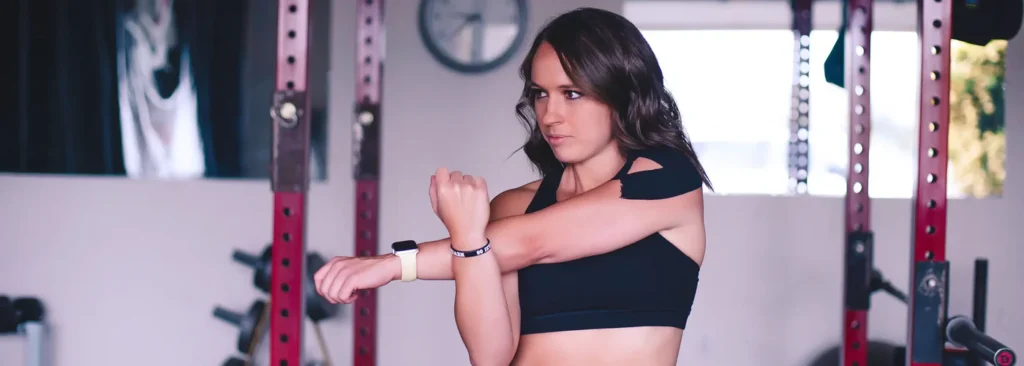
When we’re young, muscles are naturally more springy and elastic, allowing us to jump into any activity at a moment’s notice. As we age, we can still enjoy all the same activities, just as long as we give our bodies a chance to warm up to physical exertion. This is the purpose of stretching.
The first step to an effective stretch is choosing the right one. Stick with options that focus on your quads and hamstrings, as these are put under the most strain during a run.
Second, safe stretching requires a proper form. Improperly stretching, or over-stretching can do more harm than good, damaging the muscles you’re trying to protect. For best results, choose simple exercises that you can learn online, or join a class where you can learn safe and effective running stretches.
If you need a bit of help with leg stretches, a stretch strap can be a good option. It simplifies the process while opening up new stretching options for you to try.
2. Prioritize Arch Support
When the rubber meets the road, one crucial factor is arch support. Think of your arches as your body’s main shock absorber, allowing you to hit the ground running and then spring into the next stride. Whi0le they are a crucial part of any jog, this also means that they are put under the most strain.
That’s why finding the right pair of insoles is so important. They help cushion the entire sole while providing the support your arch needs to function at its peak. While making your run more comfortable, they also help protect against painful conditions like plantar fasciitis.
How to Choose the Best Insoles for Your Feet
3. Utilize a Wearable Fitness Tracker

Fitness trackers have grown majorly in popularity, and rightfully so. Wearing a fitness tracker can help you set and track goals, motivate and hold you accountable, give you a snapshot of your health, track your sleep, and even set alerts and reminders. If you exercise frequently, you should consider investing in one. Most models will track vitals such as heart rate, blood pressure, and SpO2 which can help keep you safe on your runs and ensure you’re not overdoing it.
Choosing the Best Fitness Tracker
4. Develop Good Form
One running tip that doesn’t require any equipment is learning how to run properly. While it might seem obvious, the fact is many people go into running without any idea of how to practice proper form. This can lead to greater wear and tear on your joints, which can be especially disastrous for older adults.
There’s a lot to learn when it comes to running form, but here are some basics to keep in mind:
- Keep your back straight and your eyes looking forward
- Lift and broaden your chest, keeping your shoulders apart
- Avoid letting your heel hit the pavement first, instead of landing on your midfoot
- Keep hands loose and swinging naturally
5. Heat and Ice Afterward

Heat and ice therapy is a great way to make sure your legs get the TLC they need after your run. Heat is a good way to boost your body’s natural healing mechanisms, improving blood flow. On the other hand, cold therapy is a good way to relieve pain in your joints that can be caused by running. To make so you’re practicing effective hot and cold therapy, take a look at our full guide for more information.